
How to Plan a Trip Without Coming Home to Chaos

The trip was wonderful. Coming home to an empty fridge, three loads of laundry, and a calendar full of appointments? Not quite as wonderful.
I love having a trip to look forward to, but I have learned that the days before and after can be just as important as the trip itself. Your planner can help with all three: getting ready, keeping track of the details, and easing back into your routine.
Here is how to plan a trip in your planner without turning the whole thing into another overwhelming to-do list.

1. Put Your Travel Dates on the Calendar First
Open your monthly calendar and add your departure and return dates first. Then switch to your weekly pages and fill in the details that have set times, like flights, dinner reservations, or a hotel check-in.
Take one more look at the days surrounding the trip. If you are leaving Friday morning, for example, Thursday night probably is not the best time to schedule a long list of errands. Leave enough room to pack and actually get some sleep.
Departure and arrival times
Hotel check in and checkout
Reservations and scheduled activities
Deadlines and appointments on either side of your trip
2. Make a Before You Leave Checklist
The small tasks are always the ones that sneak up on you. Write everything you need to handle before leaving on one planner notes page. Then give each task a day instead of saving it all for the night before.
Finish laundry and pack your essentials
Take out the trash and check the fridge
Arrange pet, plant, or house care
Hold mail or deliveries if necessary
Set an out of office message and finish urgent work
Charge devices and gather travel documents
Keep this list when you get back. You can use the same starting point next time and add anything you forgot.
A simple timeline before your trip
One week before: confirm bookings, arrange pet care, and review upcoming deadlines.
Two days before: finish laundry, check the fridge, and gather what you need to pack.
The night before: pack chargers and documents, set out travel clothes, and double check departure times.
3. Keep Your Itinerary and Packing List in One Place
Instead of hunting through your inbox for every confirmation, dedicate one notes page to the essentials: hotel address, travel times, reservation names, and anything you want to remember. You can also jot down where you saved digital tickets and confirmations.
Use another page for packing. I like the idea of dividing it into clothes, toiletries, chargers, and things to grab on the way out. It is much easier to spot what is missing when everything is grouped instead of scattered across random notes.
And remember, your itinerary does not need an activity for every hour. Leave room for a slow morning or a spontaneous stop. That is part of the fun.
4. Look Ahead to the Week You Return
This is the part I would not skip. Before you leave, open your planner to the week you will be home again. Look at the appointments, work deadlines, and everyday responsibilities already waiting for you.
If that week looks packed, see what can move. You might finish a task early, reschedule a nonurgent appointment, or block off some time to get settled. Write down the things that cannot wait, but do not fill every open space.
You are not trying to get ahead on everything. You are just making sure your first week home is realistic.
5. Make the First Day Home Easy on Yourself
Think about what would make walking through your front door feel good. It probably is not a perfectly clean house. For me, this step is about making the basics easy: somewhere to put the bags, something simple to eat, and a little breathing room.
Plan a quick meal or grocery pickup
Leave fresh sheets and a clear place to unpack
Allow time for laundry without trying to finish it all at once
Skip extra commitments on your first evening home when possible
Even if you only have a few hours before normal life starts again, leave that time open if you can.
6. Do a 10 Minute Planner Reset
Once you are home, set a timer for ten minutes and open your planner. Start by checking the next few days. Then move any unfinished tasks to dates that make sense and choose the two or three things you really need to handle first.
That is it. The laundry and emails can wait until you have a plan. A quick reset is often enough to make the week feel manageable again.
Try this: two minutes to check your calendar, five minutes to collect the loose tasks in your head, and three minutes to choose what comes first.
How to Plan a Trip: A Sample Planner Checklist
Here is the short version to keep in your planner notes for your next getaway:
Add travel dates and reservations to your planner
Complete your before you leave checklist
Organize itinerary details and packing lists
Review the calendar for the week you return
Prepare for a calmer first day home
Set aside ten minutes to reset your planner
Come Home to a Plan, Not a Pile
Coming home should not undo all the relaxing you just did. A few lists and a little time on your calendar can make the days around a trip feel so much smoother.
And the best part? You can reuse the same planning routine whether you are going away for a weekend or taking a longer vacation.
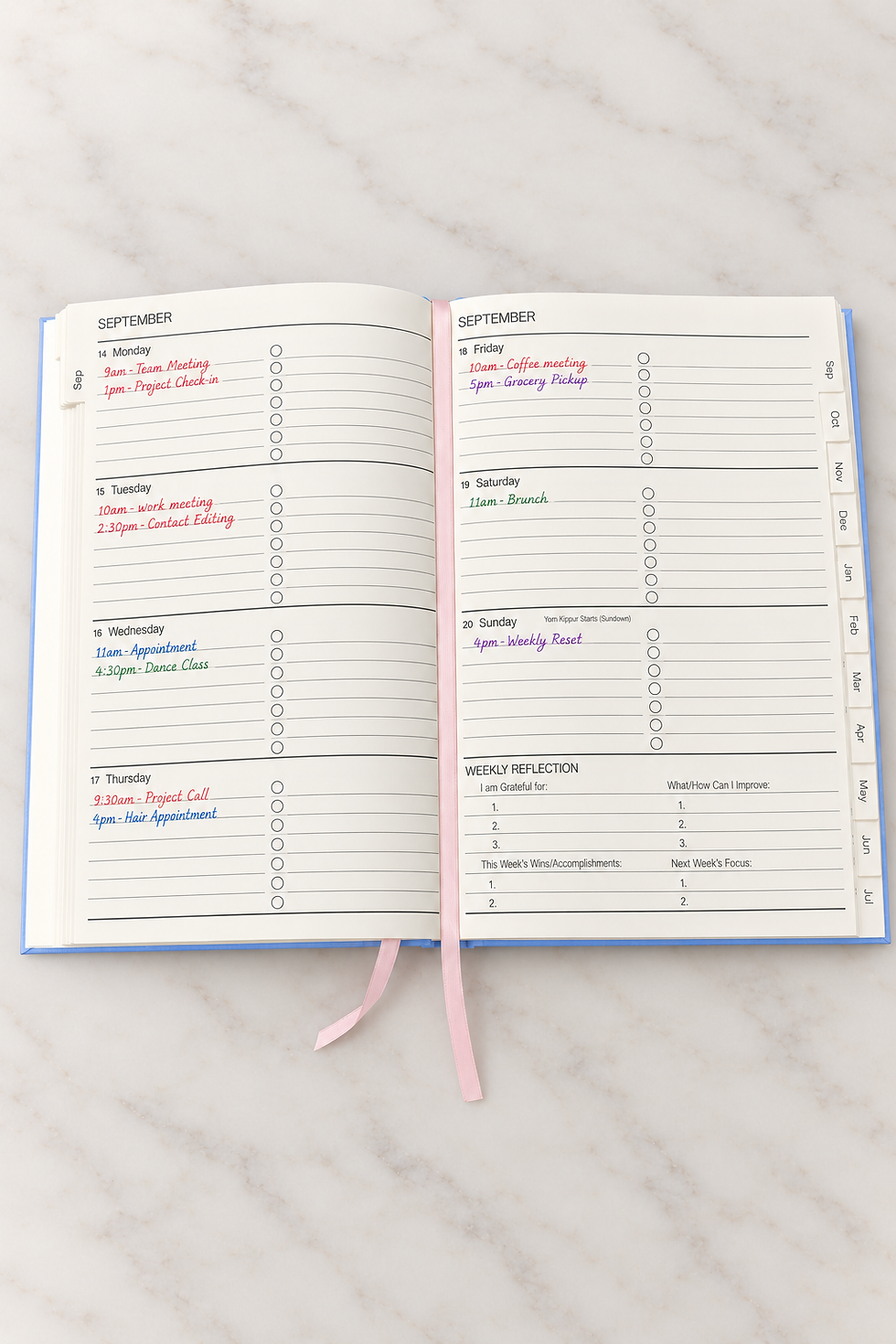
If you want a place to keep your travel plans and everyday routines together, take a look at the Campbell Creations Company planners. The weekly and undated daily layouts offer two different ways to organize what matters to you.


Comments